Showing posts with label Training. Show all posts

Friday, March 23, 2018

13 Days until I fly to Kathmandu: Heroes, rest and sleep

I am putting my best foot forward to rest; it doesn't come easy for me.  My preference is to be on the go all the time.  Now, I need to fully recover and be as strong and healthy as I can be before taking off.  Thank you so much for following my preparation and eventual expedition.  Here are a few things that occupy my mind these days.

1.  A search for heroes.  The popular media wants to make everyone normal.  I'm normal - that much I know.  But even some of those that have superior skills and devote themselves to amazing feats of endurance get belittled to the level of mediocrity.  For some reason, we refuse to admit heroes into our lives.  I have a few who inspire me to keep going when the going gets really tough.  Hopefully you have a few too.  Here are mine:

Dag Aabye.  You probably never heard of him.  I'm sure he would find that fact quite comforting.  Dag is a young Canadian man (76 years old according to some) who lives in the Canadian wilderness and lives off the grid in the most marginal of ways.  To most, he would be seen as an eccentric old man.  I see him as a leader.  He lives how he wishes to live.  Not only that, he runs every day and is as fit as a person one third his age.  Do yourself a favor and watch this amazing short movie on Dag.  He doesn't know me and I don't know him - other than what I have read and watched about this man.  To me, a hero exists in our minds and not in the media.  Learn a little about Dag if you care to.  Heroes live their lives according to their own values.  Dag does precisely that and he obviously prospers.  Oh, if you want to know about his accomplishments in running, watch the movie.  As a teaser, he is the oldest person to ever finish the 80-mile ultramarathon often referred to as the "death race."

Sarah Thomas.  Heroes come in all forms and Sarah is one of my heroes.  She doesn't know it despite the fact that we are "friends" on Facebook.  I never met Sarah in person but read about her swimming feats for the past few years.  Sarah currently holds the longest known nonstop, solo swim (in a current-neutral body of water) - not that the last parenthetical bit makes one lick of difference.  She swam non-stop for 56and a half hours er...67 hours!  (Thanks Evan for the fact checking)  If that doesn't deserve some level of hero status, I have no idea what does.  I admired her tenacity for swimming for sure but my admiration grew steadily with her current missing.  Bad news befell her and her family; Sarah had a cancerous growth and is currently undergoing chemotherapy.  All the while, she remains optimistic about the outcome and longs to get back into the water.  Heroes come from not just sporting events but also emerge from life struggles.  A hero is someone who overcomes great odds and faces the dangers with a positive outlook.  Sarah matches all my criteria and I wish her well.  Hopefully one day our paths cross.

Aleksander Doba.  One of my students just emailed me a NY Times magazine article about a guy I never heard of before reading the piece.  He is one of my new-found heroes.  Why?  He - like Dag and Sarah - endures huge challenges with an openness to accept what comes.  I loved his self-deprecating statement "Nobody cares if you cross the Atlantic in a kayak."  He focuses on objectives that he desires - not just ones that others set.  I admire his focus and self-determination.  Moreover, he and I share the same attitude about aging where he said "I don't want to be a little gray man."  Heroism comes in many forms but Doba captures so much of what I admire in people that I could not resist putting him on my short list today. 

There are countless others who I omitted from this list.  Today, I am just full of appreciation for those who provided me some guidance and many of you know your influence in and on my life.  I can only thank you today but later I will provide greater detail about those of you who supported me through thick and thin.

2.  Rest.  I am in full recovery mode right now.  No training...just rest.  I found over the years that short bouts of rest restores my interest in hard slogs.  As March approached, I started feeling burned out from hours and hours of indoor training.  I knew I was fit but I kept pushing to squeeze out any last bit of endurance gains left in my body.  At some point, however, those pushes did not provide much and I keep pushing to realize anything.  That point is when I stop.  Well, the truth of the matter is that I don't always stop; I push for a little bit more until my sleeping, eating, and working patterns change for the worse.  I try to avoid that bad outcome now by resting more often and gaining as much as I can when I feel fresh.  Rest is the only way I know to solidify my gains so rest is what I do now.  I intend to rest for one or two more days and then resume my tapering down of workout intensity, load, and duration.   

3.  Circadian Rhythm Shift.  As I got older, I found it increasingly more difficult to overcome jet lag.  If you think a cross-country trip gives you jet lag, then try a 12 hour time shift - the same time shift that comes with a trip from the east coast of the US to Tibet.  The 12 hour time difference often leads me to getting sick and feeling really lethargic.  To prevent these untoward outcomes, I decided this year to slowly shift my time zones by 30 minutes each day.  My typical sleep-wake cycle during training puts me in bed by 9pm and up at 5am (and then out of my hypoxic tent at 6am after some breathing exercises).  Last night, I went to bed at 1:30am  and tonight I crash at 2am.  When I say crash, I mean crash.  My eyes barely stay open during the last 15 to 30 minutes of my day.  By the time I am ready to leave Virginia for Kathmandu, I will be going to bed at 8am and waking at 5pm.  The truth of the matter is that my day will be completely wonky when I travel but I have been known to sleep just about anywhere.  Once, while flying to Australia, I slept almost 12 hours without interruption in the center seat in the center aisle.  Yep, I can sleep standing up.  So this shift in my sleep-wake cycle will help me adjust to the time difference right away with the real aim to reduce the stress on my body.  Stay tuned to hear how it works out.

Thanks for following along.  I have two more posts about my gear and intend to submit them no later than by Sunday.  Time is growing dearer by the day.  Stay tuned for a few more insights as I pack my bags, eat my favorite foods, and prepare myself mentally for the challenges ahead.


Tuesday, February 20, 2018

47 Days Remain: Hypoxic sleeping....in a tent...indoors.

As promised, I am going to take you on a tour of my hypoxic sleeping setup and routine.  Here is my tent:


Inside the tent, I have all the luxuries including a fingertip pulse oximeter (for measuring my spO2 in the morning), an oxygen meter (for measuring the ambient oxygen level), toilet paper (for blowing my constantly running nose throughout the night), heart rate chest strap (for measuring my morning heart rate variability or HRV), Nalgene bottle (to quench my thirst through the night), comfortable pillow, and snacks (for obvious reasons).  All of these items fit snugly along with my upper body in the tent.  

Every night, I go to sleep between 8 and 9pm and plan for at least 8 contiguous hours of sleep.  Well, I say plan because I rarely sleep soundly for 8 hours.  Often, I wake up every other hour to drink some water or pee.  A side note for the latter activity might be necessary to explain how I stay in the tent for at least 8 hours.  Peeing requires a bottle.  I'll leave the gory details to your imagination.

My Hypoxico units sit along the wall in my exercise room (adjacent to my bedroom).  I ran the hoses through the wall so that I could keep the units away from the bedroom and in a cooler location.  Also, these units generate a ton of heat when they run overnight.  Locating them one room away allows me to have a sound night sleep without the additional heat and noise.  Here are the units:


See the hose that runs from the right-most unit?  That hose runs through the wall and into my bedroom.  These units strip the oxygen from the room air and pump that oxygen-depleted air into my tent.  The units have setting numbers that do not correspond exactly to the oxygen percent or any other value that makes sense.  I found that the units could loosely be calibrated by simply tracking the settings and plotting those settings to the observed oxygen percentage inside the tent.  Below is a snapshot of that calibration:


You'll note that the variability of the oxygen percentage varies quite a bit for each setting value.  I noticed this variability the more I observed the correspondence between these two variables.  Perhaps a more interpretable figure is the one that shows the relationship between the unit settings and the simulated oxygen levels (in Feet):


I have a few more setting units left on the scale to go but you can see clearly that my sleeping altitude is now about as high as these Hypoxico machines go.  What do these values mean in terms of my adaptation?  Well....they make it tough on my body for sure.  For those of you with extensive medical training, avert thy eyes.  You might get a shock from some of the numbers.  Fear not!  I am alive and doing quite well.  Here are spO2 values for each of the unit settings:

Yeah, some days are harder than others.  You can see that my spO2 drops with each successive value on the Hypoxico unit.  Over time, however, I tend to acclimatize to the oxygen levels and my spO2 improves.  How much does it improve?  Not enough to keep me out of the emergency room for those who know what these numbers mean.  A healthy person has an spO2 in the upper 90 percent range (I measure about 99% at sea level).  On setting 5 (as indicated in the figure above) using the high altitude adapter on full, I have a median spO2 of about 84%.  Contrast that number with my median spO2 of 71 on setting 6.5 with the adapter on full.   You can see that the response to the oxygen depletion is quite dramatic.  On about the 4th or 5th day of sleeping at each setting, I typically wake up with higher spO2 values and feel great; the first days on each setting can be quite rough.  So I feel an improvement even though I cannot observe that improvement by my spO2 values.  

All of these figures fail to tell the real story.  I need to explain what I am doing.  Here is a snapshot of my hypoxic acclimatization process.  I began my hypoxic sleep training in earnest on January 8th, 2018 by setting my Hypoxico unit to "9" (without the high altitude adapter) and sleeping blissfully for 9 hours.  NOTE:  I actually began sleeping in the tent on July 23rd, 2017 when I returned from a wonderful trip to Ireland.  OK, back to my "earnest" training. Setting 9 resulted in a oxygen concentration in the tent air of 13.6% or an equivalent altitude of 11,100 feet (3383m).  My spO2 in the morning was 88% or good enough to land me into the emergency room for most normal people.  Most of you realize I am not normal so that hospital trip would be a waste.  After about 5 days, I changed the unit setting by 0.5 to simulate a slightly higher altitude.  Each increase leads to a slight decrease in my spO2 (see figure above for some idea about how much change I observe).  

By sleeping every night at a simulated altitude, I increase my red blood cell count and potentially increase the oxygen carrying capacity of those red blood cells (by increasing the hemoglobin).  There are some conflicting views on the effectiveness of this process but I assure the most ardent skeptic that there is no way I could trek to Everest Basecamp in 2 days had it not been for the hypoxic sleep training I did in 2015.

Hopefully these tidbits provided you with some glimpse into one aspect of my training routine - my hypoxic sleep training.  During my next "rest day," I intend to describe some of my gear - starting with my feet.  With 47 days left, I have approximately 11 more full rest days to report on my preparation.  My sinus infection is now gone and I feel great.  With 43 days remaining, you will learn what I plan to wear on my feet.  Each successive post focuses on another part of my body's gear until I end with my head.  So, stay tuned for a foot to head detail of my gear.  

Thanks for following my adventure.

Thursday, February 8, 2018

59 days left: Listening to my HRV and resting when necessary

Well, the Super Bowl ended with great fanfare.  We enjoyed both the game and the outcome.  Sorry to you Patriot fans but those Eagles fans needed the taste of victory - for once.  I sit here on Tuesday evening nursing my weary body after another unplanned rest day.  Why unplanned?  I decided to stick closely to the recommendations my body makes as I continue to prepare for this climb.  The training routine I planned to implement was both ambitious and flexible.  Thus, I continually strive to push myself with built-in regular rest time every 4th day.  Throughout the entire training cycle, I monitor my recovery by checking my heart rate variability (HRV) every morning.  

How do I measure HRV?

Every morning, before I do anything, I don a chest strap heart rate monitor (transmitter) and record my heart rate via two apps.  Why two?  I use two to corroborate this important measure to ensure that no oddity in either the software or in the algorithm interferes with my recovery or training.  These days I use hrv4training and EliteHRV.  Both produce fairly dependable results but there are some slight differences.  For one, the EliteHRV app provides guidance on breathing rate and alerts me when there are too many artifacts for the reading to be useful - something I wish the hrv4training app provided.  Despite these differences, I found the ratings to correlate highly (r > .95) and most mornings they offer me similar suggestions with respect to training (to train, to go hard, to cut back, or to rest).  So, once I take these recordings, what do I make of the numbers?  Well....read on!

HRV in a nutshell

The basic idea behind HRV is that our hearts beat from two mechanisms - the sympathetic (when you exercise, your heart rate increases due to stress load) and the parasympathetic (when you rest, your heart beats in the background to supply your body with needed oxygen).  These two mechanisms often indicate some level of continued stress your body must accommodate before it recovers.  Let's look at heart rate to give you a better idea of what I am talking about.  Thanks to the internet, we have tons of images that display the effect.  The image below came from the ithlete website (one of many HRV programs available for download and used on phones and tablets).  Each heart beat takes place at a certain time:

The heart rate "trace" above shows the different electrocardiogram or ECG signal patterns represented by the P, Q, R, S, and T signals in the overall heart beat wave.  We are interested in the R or peak waves and more specifically in the time between each R signal.  A beating heart that is stressed will have a consistent R-R interval or a low variability for the time between R signals.  That low variability is a sign that either 1) you are under stress and your sympathetic nervous system control of your heart is high or 2) you are in a state of active recovery and your parasympathetic nervous system is not contributing much to your overall heart rhythm.  Either of these two outcomes is not good.  Low HRV predicts mortality - among other things - and often is an early warning sign for overtraining.  "Cardiovascular autonomic balance as measured by HRV may be considered as a valid sign of short-term but not long-term fatigue."  Thus, we want our sympathetic and parasympathetic nervous systems to be in balance while we recover and, as a result, our HRV should be relatively high.  

How high do we want HRV?

HRV is a relative measure that must be "calibrated" to every person.  One person's values do not relate at all to another person's values.  Each of us needs to record several days to get an idea of trends between days and over time.  High values or rather relatively high values are what we wish to see to ensure that we have that balance between the sympathetic and parasympathetic nervous system activity - all indicative of proper recovery.  So high is a relative term.  Over the past month, my HRV average was 75 (a standardized value obtained from the natural log of the Root Mean Square of Successive Differences in R-R intervals - yes, very technical but the numbers range from 0 to 100 with higher being "better").  Today, my HRV was 78 and both apps indicated that I was "good to go" even though today is my planned rest day.  Below is a graph of my R-R intervals this morning:

And the figure below shows my weekly "Readiness" trend.  As you can see, the bars tell me that I needed to rest and I did.  I'm being a good boy.


Not all days are great.  Yesterday, my HRV was 84 and was strongly influenced by more parasympathetic activity than sympathetic activity - an imbalance.  Both apps told me to rest yesterday and I did rest to a degree.  I worked out "lightly" compared to the 5 hour day I had planned.  Thus, high is not always the best.  Balance is what we aim for and often that balance results in higher HRV scores.

Does HRV work when sleeping at simulated altitude?

We don't know.  I certainly don't know.  There are no systematic studies on the use of HRV with hypoxic sleep training.  I found to date that HRV corresponds well to my overall fatigue (perceived level of fatigue in the morning) and often my HRV scores are affected by two things - my rate of respiration and any abrupt changes in simulated sleep altitude.  Let me address each in turn.

Respiration rate greatly influences HRV scores.  If I pant heavily when I wake up, I will have abnormally altered HRV scores - sometimes elevated but often suppressed.  Calm, regulated breathing at about 6-8 breaths per minute result in optimal HRV scores.  Thus, if I have a huge change in my simulated sleep altitude, I often wake up breathing in more rapid, shallower breaths that result in lower HRV scores.  Breathing rate is extremely important to optimal HRV recordings.

Simulated altitude via the Hypoxico unit appears to alter my HRV moderately but not to the point where I can no longer use HRV to monitor my recovery.  If I have a huge increase in simulated altitude, I find that it is difficult for me to disentangle recovery from hypoxic stress.  One way around that conundrum is that I often increase my altitude on rest days where I know my body will not be stressed that day due to training and almost all the HRV changes would be attributable to oxygen changes.  I also need to take into consideration the combination of training stress (as measured by both intensity and duration) and hypoxic stress (as measured by relative oxygen saturation in the tent and morning spO2 levels upon waking) to fully appreciate the HRV changes on days when I do train and do sleep at very high altitudes (low oxygen levels).  

To give you a better idea of the complexity, consider today.  I woke up at 10.3% O2 or a simulated level of 18,500 feet or 5750m and I have been sleeping at this altitude setting for 5 days.  Usually, 5 days is enough for me to get "used" to the hypoxia and I increase the setting.  Since I had to take a few days off this week to fully recover, I decided to keep the level consistent and measure my HRV today after a relatively restful day - not complete rest mind you.  Once I post this material to my blog, I have about an hour of light training and then I'm off for rest of the day where I will sit in meetings, rest, and recover.  Tomorrow, I intend to wake up at about 9.7% or roughly 20,000 feet or 6200m (by increasing the Hypoxico unit from 6.5 to 7 with the high altitude adapter on full) and workout for about 4.5 hours.  That increase in simulated altitude alone will push my HRV lower but hopefully not enough to warrant a rest day after today's recovery day.  We shall see....

In short....

I use HRV now to monitor my rest and recovery.  The research to date shows some promise but I realize that the application of this tool cannot be done in isolation of other factors.  Hydration, nutrition, stress, breathing, and sleep affect HRV readings and often in ways that I cannot understand - at least not yet.  HRV helped me to rest when I normally would push through the fatigue.  Work + Rest = Success.  I have no problem with the "Work" part of the equation but the "Rest" part eluded me for some time; HRV seems to help so far.  

Expect more updates regarding my progress, recovery, and overall preparation.  Thanks for following.  Hope you found this material thought-provoking.

Thursday, January 11, 2018

90 days left - where did the last 170 days go?

Greetings,

That momentum I thought I had for future posts went out the window as I wrapped up a busy semester.  Once the semester ended, I headed up to the Pacific Northwest (the states of Washington and Oregon in the US for those of you from far away).  I skied and skinned with my pals and they taught me a thing or two about youth (don't waste it).  Today (Tuesday) marked a milestone where I both began training again in earnest after skiing during the holidays.  Finally, I felt good enough to train after suffering from 3 sinus infections.  Ah...all is good now.  So, 90 more days until I will be in Kathmandu (as of January 9th).  Here is what I can offer as an update.

1.  I am physically fit to leave today.  So if I am fit already, why continue to train?  Over the next three months, I plan to lose a few pounds to make climbing a wee bit easier, break in some new(er) gear while staying fit, and implement a few training changes to put the finishing touches on what I believe is shaping up to be another great preparation.  I am fit to climb today but I have some minor details to iron out.

2.  I keep learning with each adventure.  My first Everest preparation focused a fair bit on training.  I found that fitness was only one aspect of alpinism and a very small part.  In preparation for my second Everest expedition, I focused more on hypoxic training AND fitness.  Together, these two approaches provided me with sufficient stamina to reach Everest basecamp in a day and a half (well short of the 5 days it took us in 2014).  Still, I thought I could do better.  For my third time (and final attempt), I am combining the two previous bits with another approach - get hardier.  I figure being fit, acclimatized, and hardy gives me the best shot of tolerating anything.

3.  Hardiness training comes easier than I thought.  Preparing for marathon swimming gave me insights into how training leads to better tolerance for extreme environments.  Specifically, I learned to tolerate cold water by simply immersing myself in cold water, cold air, and warming up naturally.  I now vary my diet, eat simple foods, and push myself to be uncomfortable.  Every day, I take cold showers to develop better cold tolerance.  These efforts are easy and enjoyable.  You can say what you want but after a while, I find comforts to be uncomfortable.

4.  Weight training takes priority over cardio training this time around.  I found that too much cardio training lead me to lose muscle mass.  Rather than push my time running, and working out on the elliptical and bike to build my cardiovascular fitness, I now focus more on weight training to maintain my strength.  I focus on legs more than upper body but I cannot let my upper body go to pot.  Upon my return from Everest, I have a month to recuperate and then I head back to Ireland for more marathon swimming in Cork (hi to my Cork Distance Week friends).  So, I hope to remain strong throughout the entire preparation.  

5.  My plans are shaping up.  I leave on April 5th for Kathmandu.  More details to follow.

Thanks for following along.

Sunday, October 29, 2017

10 lessons learned in 100 days of training: 160 days left before I head off to Everest again

Greetings family, friends, and followers.  I am not one for lists.  The internet click bait of "7 reasons" or "10 most..." are just that - bait.  I actually learned things in the past 100 days and figured I would share them with you.  Further, my aim is not to pursue things because they serve some purpose of filling out a dossier of collected experiences.  Instead, I prefer to experience them and let others keep track if they desire.  After careful reflection during the past 100 days of preparation, I figured it might be mutually beneficial if I provided you (and me) with a written account of what I learned.  Some might find these lessons rather trite while others might never expect that training for an expedition would lead to such insights.  Regardless of the impact, I list the top lessons with a little explanation following each.  Here goes...

1.  Nothing beats a routine - find one that works for you.  I attempted to integrate several new training procedures into my preparation and slowly found that the procedures that really taxed me the most - the stuff that made me maximally uncomfortable - were those I often neglected.  I am no different than anyone else.  Comfort, relaxation, entertainment, and such drive me toward acceptance whereas the opposite often requires a greater effort to practice daily.  Lifting weights and core exercises for me are not my cup of tea; I do them because if I do not lift, my muscles will atrophy and if I do not keep up my core strength my back causes me fits.  Thus, lifting and core exercises are important parts of my preparation and yet these are the most often skipped portions of my daily training.  So, what did I learn?  I found that doing these right away ensured that I completed them during the day.  I wake up now, check all my vitals (spO2, heart rate variability (HRV), weight, etc), complete my breathing exercises, and then head straight to the exercise room to do movement prep (warm-up exercises), core exercises, and lift - all before breakfast.  By sticking to this routine, I have yet to skip these important aspects.  I also know if I don't do them right away, I find too many life events (work, family, email, etc) interfere with me getting them done.  So, my new routine helps me stay on top of these oft-neglected parts of my training.

2.  Rest and stress go together to make us (me) better.  I do well under stress.  The harder the training session, the longer, more taxing the session, the better I feel.  My HRV even shows this effect so it is not a cognitive distortion.  I was built to go forever and when I rest too long, I feel flat, uninspired, and often react paradoxically.  What I learned from these past 100 days is that my morning HRV does not lie.  If I stress myself and my body is ready for rest, my HRV scores reflect that readiness to rest.  That might not sound very insightful but consider the depth of what I learned.  My HRV scores tend to go south (low is bad) when I do not sleep enough, eat poorly, and don't drink enough water throughout the day.  Yep, nothing really insightful there either.  These scores predict how I will perform 2-3 days later.  I ignored them (a bit) early on in these 100 days and later found myself sick and struggling with sinus/ear infections.  As I licked my wounds throughout the recovery process, I saw a trend.  The rest my body needed was more subtle and was easily detectable by a slight downward progression of HRV scores until the floor fell out.  Yes, the trends are what matters - not just the individual scores.  For more on this point, I intend to post my data so you can see where I saw the trends.  Stay tuned for a future post with data.  The point is that rest and stress go together but in ways that may escape detection.  We all need to monitor what we do, how we do it, and when we do so to understand the complex relationship between rest and stress we benefit IF we actually change to adapt to that relationship.  

3.  Nagging injuries often reflect many problems - not just one.  I learned this lesson when training for my marathon swims.  My shoulders and back were aching before, during, and after my long swims and I figured it was more due to training load than anything else.  Dominic Latella - my wonderful stroke mechanics fixer-upper - noted some really bad tendencies I had with my freestyle stroke and, after I worked with him and complied with his drills, all those pains went away.  Preparing for Everest over the past 100 days, I learned that my nagging right knee pain was due to my running.  Previous years where I put in equal amounts of training did not involve as much running.  I would run between 10-30 minutes but often just jog around the corner and through the neighborhood to breathe the fresh air after too many hours of gym training.  Those runs convinced me this time that my body was ready for 30 minute runs - at least every other day.  Boy was I wrong!  My knee pain never subsided and I attributed it to too much pounding with too much weight (I was fat to begin with due to my swimming preparation).  As my weight decreased, my knee pain diminished but it remained present enough to affect my sleep.  Sleep changes, training load increases, and more pounding left me concerned that my knee might be fouled up for good.  Nope!  Thankfully, I can report that the knee pain was solely attributable to running.  I now intend to reduce running to the bare minimum, stick to no pounding exercises, and stay physically healthy.  Sometimes the pain is due to the obvious and others, the pain is more complicated.  Listen to your own body and test what might be the cause.

4.  Losing weight is easy if you have a purpose.  When I began my training in earnest, I weighed 198 lbs (almost 90 kg).  That weight was largely in my upper body with a good portion of both fat and muscle.  Upper body weight is useless in climbing.  We climbers want large legs to carry us up and small upper bodies - strong enough to hold our packs but not much more than that.  The shift in body weight is an important and difficult change for many and I found it tough initially to lose the weight because I had an inclination to keep some residual weight on to later lose while climbing.  My aim was not to lose weight while climbing per se but rather I know I lose about 1 lb (1/2 kg) per day above 15,000 feet (approx 4600 m).  Yes, that weight loss is inevitable so I plan for it accordingly.  Doesn't matter how much I eat, I lose that weight.  So, back to my weight loss at home.  I knew I needed to lose weight to train effectively and to redistribute that weight to be more productive for climbing.  Once I started the 100 days, I figured I needed to see the purpose of my weight loss.  Every day, I read about the route of my climb.  That reading lead me to internalize the purpose of my weight loss - to make every step easier.  The lighter I am the easier my climb would be provided I was not too light and too frail to maintain my strength.  I want excess weight to lose but not too much weight where I get injured training.  So, my lesson here - pay attention to the purpose and you will realize your goal.  Oh, for those who want to know how much weight I lost...stay tuned for pictures.  I went from 198 lbs (90 kg) to 177 lbs (80 kg) in these 100 days.  Not bad.  I would like to be in the low to mid-170's (78 kg) for the next 100 days to give my joints a break.  Also, I could afford to lose a few pounds of muscle in my upper body and move it down to my legs - a change that requires me to lift more with my legs (ugh!).  

5.  Nothing beats a little distraction on long, boring training sessions.  I worked my way up steadily to 90 minute sessions on the elliptical and bike - all indoors without much distraction.  The TV in the exercise room along with my computer provided me with hours of distraction.  When on the elliptical, I read/replied to email, kept abreast of research articles, posted to my research group, wrote several articles, and even ran some data analyses.  I am not that adept at typing while on the elliptical machine or on the bike but I can muster about a 6-10 words a minute.  The slow typing allows me to think.  When I am not able to think or type, I resort to the TV and consume something that keeps my mind off the drudgery of endless hours keeping my heart rate between 130-145 bpm.  I wish I could see the outdoors but remaining productive or entertained is a reasonable trade-off to the outdoors when I know I can mix activities.  Many of my students even endured meetings with me while I train.  I thank them profusely for putting up with my oddities during the Google Hangout sessions.  Without their acceptance, I might find it harder to fit these long sessions into my work-life balance.

6.  Our bodies may not fit the 7-day cycle but our lives require us to fit training into these 7 days.  I tried to the best of my ability to fit a training cycle of 10 days into a 7-day life without much success.  Early on in these 100 days, I found it easy because the maximum time demands were small enough that I could easily fit in 2 hours spread throughout any day.  Now, I have 4-5 hour days and life just interferes with those training demands.  Even if I break up the time into smaller increments, I could not accommodate the training load when I had a busy day.  Thus, I am returning to my 7 day cycle.  I know my body does not fit with the weekly cycle but my time demands require me to work with the hours that work for me.  My next phase of training (Strength Building) will be based upon 7 days and will incorporate more pre-planned rest days (see next lesson).  

7.  Looking forward to a rest day is a huge motivator for me.  I tried to schedule a rest day every 10 days.  That schedule worked for me with respect to my physical functioning and recovery but it did not work for my psychologically.  I need more frequent rest bouts where I know rest is coming.  When we climb, we know rest times well ahead of them.  We can put in an effort to get us to the rest point and then keep going afterwards knowing that the rest we had was the rest we needed.  I need both physical rest and psychological rest; the 10-day rest cycle was just too psychologically taxing for me to ever feel rested.  So, my plan is to build in rest based upon my 7-day work schedule.  Busy work days will only have brief workouts that energize me (movement prep, lifting, core, and stretching) and no long cardio sessions.  On days where I can really devote my day to training, I intend to put in my "summit" days - the days where I train for 8+ hours and get the real feeling of fatigue experienced during summit pushes.  

8.  When increasing workload, it is extremely important to limit hypoxic sleep.  I decided to experiment during these 100 days with both increasing my workload and increasing my hypoxic sleep altitude.  What did I learn?  Hypoxic sleep is very taxing and does not allow me to both increase my workload and increase my altitude.  I figured this might happen but the point really hit home when I failed to recover from several rather pedestrian days of training AND I got sick twice in the process.  My HRV scores were horrible, my motivation to train waned, and my morning spO2 really suffered - all as a result of pushing myself too hard and too quickly without adequate recovery built in to the process.  My aim now is to get strong at 11,000 - 12,000 feet (3350 - 3650m) and fully recover from my training routines.  Once I enter the final 100 days of preparation when my fitness and strength are both optimal, I intend to gradually increase my sleeping altitude and carefully monitor my HRV (recovery) and acclimatization (spO2).  When I experience a recovery setback, I intend to decrease my sleep altitude AND reduce my training intensity.  I learned from my two 10-day illness recoveries that hypoxia and training need to be carefully coordinated.

9.  Expedition planning with climbing buddies makes the entire process much more enjoyable than being a member of a group that plans everything for us.  I never really liked field trips as a kid nor do I enjoy their adult versions like tours and such.  Planning adventures are part of the adventure and when things to wrong, I feel part of the experience - not just a person who is affected by the events.  I remember in 2015 when Sam, Alex and I were trying to arrange our schedules when we returned to Everest together.  That process of collaborative planning reminded me of why I so enjoyed expeditions that I planned with friends rather than these types of climbs where we are obligated to climb with an organization (Everest climbers must register with a Nepali or Tibet organizer to be permitted to climb).  Still, even if we are dependent upon an organization, I found that interacting with Sam, Alex, and Brendan (my climbing buddy for Aconcagua and now for Everest-Tibet) made the process much more enjoyable.  I wish Sam and Alex could join us but we shall climb together again in the future.  For now, I have a pal to coordinate plans and I so much enjoy that process than to think that I am going along with a huge group without much required of me to sort out.

10.  My dalliance as a "non-fan" came to an abrupt end for a good reason.  Many of you know me as a die-hard Notre Dame Football fan.  I yelled at my TV for many Saturdays over the past 3 decades.  The weight of each play, each win, and more so of each loss often affected me for days and often weeks following.  Yes, I was a fanatic.  The fanatic in me was starting to affect me in ways that I felt the need to give up sports for a year.  I took the entire 2016 off from fandom.  For the first time in that 30 year span, I didn't plan my life around the ND football season.  Saturdays were just another weekend day filled with activities that did not include yelling, celebrating, sitting, watching, traveling, pining, hoping, praying, or anything else that we fans typically do during games.  I filled my life with reading, listening, and thinking about science and other areas outside of sports.  My cash flow benefited too.  I unsubscribed from all the paid publications that were central to the fan of ND football.  Also, I cut the cord with Verizon's cable service.   All told, I figured I saved about $1000+ just by eliminating all these expenses.  Moreover, I devoted my time to learning new skills.  During that year, I developed a keen interest in programming Arduino modules, integrating sensors into my home automation, and mastering Python and Java (after many years of just dabbling in those languages).  So, I gained a lot from the time away from fandom but I felt I was missing something in my life.  My friends and family who are also die-hard fans no longer had me as a conversationalist.  I didn't read the sports pages, kept up with no race, ranking, or happening that would soften the blow to the "hey, how are you doing?" conversations that guys struggle to honestly answer.  I needed the fandom but I didn't need the stress.  So, this year, I decided to rejoin the ranks but do so without the same stress.  My son and I watch college football every Saturday - together.  We arrange our schedules to spend the time together.  He now yells more than I yell.  I'm not sure I am proud of that but obviously the fruit doesn't fall far from the tree.  I need the distraction.  I need the connection with my friends and family (mostly my cousins who I share so much in common).  I need to be a fan but not one who gets polluted by the bile that comes from the immersion into the sports.  No, I am no longer following recruiting (as I used to) and I didn't resubscribe to those publications.   I now just watch the games and I watch them with much greater appreciation for why being a fan is important for me - it gives me something to look forward to every week.  How does this lesson relate to the past 100 days?  I learned that some distractions that might appear as "bad habits" are probably more beneficial than harmful.  Bring on the Olympics in Feb and Let's Go IRISH!!!

I have many more posts to share my thoughts as I enter the final 160 days of preparing for Everest.  My flights are almost booked, my climbing adventures for this December are planned, and I am nearing the fitness I had prior to the previous climbs.  Here we go!  Expect more frequent updates.  I have a ton to talk about and hope you continue to enjoy the posts.  Thanks for following along.

Friday, July 17, 2015

The routine of feeding while swimming the English Channel

As promised, I intend to provide all the details I learned over the past few months about how to eat while swimming...in the EC.  There are many subtleties that require a bit elaboration.  I begin with what to eat and then venture toward how to eat it, and then when to eat.  Here goes....

What to eat

Everyone has different tastes.  I learned that fact while climbing over the years.  Also, many years ago when I competed in triathlons, I learned that I could eat almost anything at any time without having too many stomach problems.  As I grew older, I learned that my tastes changed and I could bear to eat certain things but I didn't like them too much.  So taste preference and tolerance play a role in what to eat.  There are some physiological demands, however, that trump taste and tolerance.  They are....

1.  Carbohydrates are needed to replenish burned energy
2.  Electrolytes are NOT needed in salt water because with every breath comes a little bit of salt - enough to satisfy any electrolyte replacement
3.  Proteins can help with short-term endurance and long-term recovery but few people can tolerate them while exercising - I tolerate them just fine.
4.  Fluid replacement is an essential part of refueling and must be combined with the fuel (i.e., Carbs and Protein) to sustain the physical effort over the long haul.

These four points lead me to try different concoctions.  The most promising one to date is Generate UCAN plain Superstarch.  Here is the can I purchased:

My fuel of choice.
This stuff tastes like cornstarch and flour kinda loosely suspended in water.  At first, I hated it.  I couldn't imagine drinking this sludge for hours at a time.  It almost looked like talc when I first opened it up.  Yeesh!  I was not ready for it nor did I find it terribly appetizing.  But just as I mentioned earlier, I tolerate just about anything and soon imagined the drink as an ear of corn that just tasted a little off - not bad off, just off.  Here, take a peek inside the container to see for yourself.  Talc....

Superstarch...from inside the container.  Looks like talc.  Blech...
My first experiment with the Superstarch was in the pool at GMU.  I tolerated the strange consistency and taste well enough to get me through the 3-hour practice.  The only downside was that I had some really bad heartburn.  I can take care of that with my little friend "the purple pill."  More on that point in subsequent posts.  

What I will eat consists largely of this talcum powder stuff mixed with plain water.  I might have a little whey protein mixed in with the Superstarch but I have yet to experiment with that combination.  Perhaps after a few swims, I will have a better idea of how well plain whey protein mixes with this stuff.  For now, I'm 100% focused on carbs.  Superstarch addresses the four points above and meets my taste and tolerance just fine.

How to eat

There is a wealth of knowledge across the internet concerning how to eat.  The one common factor is time and the easiest way to rapidly ingest calories is through a fluid and not a food that requires chewing.  I will drink my calories.  How will I get these drinks?  From a feeding stick, how else?  Several folks posted "HOW TO's" for making your own feeding sticks.  I found this one the most informative and by far the most practical.  

By placing my drinks in the cup and extending the arm toward me, I can grab the bottle, drink as quickly as possible, and then chuck it back into the boat.  Bottle?  I didn't say anything previously about a bottle.  What bottle you ask?  Well, that has yet to be determined.  Right now, I think a simple, small squeeze bottle may work best.  I experimented with Hydrapak SoftFlask 250 during my 6-hour qualifying swim.  

The SF250 squeeze bottle - very easy to use but a little flimsy.
That container worked well for that swim but they are expensive and may not stand up to repeated tosses back into the boat.  In retrospect, I think that the effort to get the fluids out of the SF 250 bottle often reduced my interest in taking the entire portion.  A standard squeeze water bottle might be easier to use and more durable.  I was thinking that a Gatorade squeeze bottle might suffice - plus they are much cheaper than these fancy bottles.  An even cheaper option if the water conditions permit is a standard 8-ounce plastic cup (200 ml).  Trent Grimsey set his record crossing the EC by feeding with cups.  I thought his routine was very effective and required the least sophisticated equipment.  Once I try some more options out, I will update the "how to eat" section with my choice.


When to eat

Just like what to eat, when to eat garners a great deal of attention in the marathon swimming world.  I tried several plans including once every 30 minutes, once every 20, and then once every 15 minutes.  The real problem is that longer times between feeds means that each feeding session is dear and needs to be large enough to hold me over until the next feed.  The 30-minute option requires me to consume about 300 calories per feed to maintain the expected 600 kcal/hour caloric expenditures during the swim.  Contrast that with every 15 minutes where I can consume just 150 calories to maintain that rate.  The more feeds per hour, the more my swim gets interrupted and the longer the swim takes.  It seems like a delicate balance but here are the factors that influence my feeding schedule.

1.  Total calories needed (more feeds might be better to ensure full refueling)
2.  Breaks in the monotony (more feeds break up the swim more often and may keep me focused between feeds - also something to look forward to while swimming)
3.  Stomach emptying (more feeds decrease the total volume in my stomach at any single point)
4.  Time demands (fewer feeds means less time stopping and more time swimming toward France)
5.  Thermoregulation (fewer feeds means less time stopping - see above - and less time to get cold from not expending energy)
6.  Fluctuating caloric demands (adjusting the feed timing allows me to refuel based upon needs rather than merely by time)

The last point is the one I think makes the most sense.  When I start my swim, I intend to have a full stomach - or at least I intend to be sate with at least 500 kcal consumed before I head off.  That initial caloric boost means that the demands on my body will be lower earlier in the swim compared to later.  If I refuel according to my needs (i.e., eat more when the pace quickens or the tides, waves, winds adversely affect my pacing and stroke), I will be able to refuel when necessary.  Eating only when necessary, however, places a huge burden on my team.  I will only do that if they are willing to adapt the feeding to the conditions.  Perhaps a bit more experimenting with them might be a good plan.  

My initial plan is to refuel every 30 minutes because I know I can tolerate that for at least 3 hours.  As I continue on my swim, I would prefer to have more frequent feeds - perhaps every 20 minutes but no more frequent.  I am cognizant of the time demands while feeding and figure I can eat to my heart's content when I finish.  Consuming what I need when I need it matters more for now; any excessive feeding will only lengthen my swim and keep me exposed to the cold waters of the EC longer.  

Some of that excess is under my control.  How?  By practicing eating quickly.  Many EC swimmers aim to have their feed times as short as 10 seconds but certainly under 20 seconds.  Consider this point carefully....if I feed every 30 minutes and each feed takes 20 second then every 1.5 hours adds a minute to my swim time.  That doesn't seem like much time but those minutes can mean the difference between catching a favorable tide/current and missing it.  I heard from more than one EC veteran about the horrors of sitting in one place for hours as the tide shifted against the swimmer.  Fewer feeds and more efficient feeding routines minimize those horrors.  I continue to sort out these details and will update the blog as I get a more refined method.

Additional thoughts

My friend Madhu (read his blog to see what a real marathon swimmer does for fun) keeps reminding me that a flexible plan that changes throughout the swim is more common than the inflexible plan.  I need to keep that in mind and stay relaxed...perhaps focused on my swimming technique and leave the feeding details to my all-star crew.  Madhu also told me about his routine where he washed his mouth out with plain water, consumed his refueling concoction, and then rinsed again with diluted mouthwash.  He reasoned that the residual starch left in his mouth created an involuntary action of casually drinking some salt water.  I can attest to that involuntary action.  In many instances after I eat a little in the pool, lake, or ocean, I often find myself consuming just a tad bit of the water as I breath.  Once my mouth is rinsed of the residual, however, I go back to my usual habit of expelling most of the pool, lake, or ocean water.  I hope to try Madhu's 3-bottle approach soon.

Up next...

Thanks for following along with my adventure.  Planning for the outing is just as exciting as doing it.  As promised, my next post covers my cold water acclimatization device.  I have pictures and diagrams for those who wish to recreate my invention so stay tuned for some engineering marvels.  Following that post, I intend to introduce you to my crew.  Yep, my family gets full exposure in a week.  Stay tuned for more adventure news.  Thanks again for following.

Thursday, July 16, 2015

A great 10K swim - one where I learned a ton

I just returned from a fantastic weekend in Long Island, NY.  Last Friday (July 10th), I pushed off from Fairfax, VA toward Long Island after a quick swim with my friends at the Old Keene Mill pool.  I felt really sluggish and tired in the warm pool water and wondered if this weekend would be any different.  The week's practices were getting harder and harder - perhaps because I am really starting to tire out from the repeated 32km weeks of training.  Regardless, I headed off with great hopes that this swim would teach me something about my feeding.

Friday day and night were fun and relatively uneventful.  The drive up to Long Island went by quickly because for some odd reason, everyone decided to stay off the road.  I never saw I-95 (our highway up the east coast of the US) so empty.  No complaints here, just happy that I could get up to NY in about 4 and a 1/2 hours.  I stopped by my aunt's house, picked her up and headed to my other aunt's house with her.  We had a great time for a few hours but then the drive and early wake-up started to weigh heavily on my eyes; it was time for bed.  Off to bed at 9pm and I slept like a log until 6:30am on Saturday - race day.

Race Day

I drove from Port Washington, NY (where my aunts live) to the south shore ports for the Fire Island ferries.  The race organizer setup a special 9:30am ferry for us swimmers.  
Waiting for the ferry - trying to avoid the sun as best I could
The pre-race setup was extremely well organized.  The ferry ride took us to Atlantique - a small beach area within easy reach (25 min ferry ride) of the Bay Shore Ferry Terminal.  
The first level on the ferry where I stayed out of the sun.
Once the ferry got us to our destination, we walked to the Atlantic Ocean side of the island - roughly a 300m walk along a nice paved pathway.  
The path between the ferry terminal and the beach.  It was a nice walk.
The race organizers had tents setup and quickly handed out the timing devices and marked those who were not marked prior to hopping on the ferry.  All of this took minutes instead of the often laborious hour-long registration that most events put us through.  I was quite impressed.  

Pre-race Preparation

I managed to jump in the water and warm-up for about 10 minutes prior to the mandatory pre-race meeting.  The meeting was quick and informative.  We learned that the course would head west from the start and parallel the shoreline for 2.5 km where we would turn around and head back.  The 10 km swimmers would swim 2 loops around the 5 km course leaving all buoys to the left.  I felt confident that the swim would go well because the conditions were simply perfect.  There was no wind at the start and the swell was negligible.  According to surfline.com, the waves were .5 to 1 foot; I think they exaggerated.  If they were 2 inches, I would be shocked.  So I felt great and was ready to swim.

Feed testing...whoops!

One slight problem with my preparation was that I packed food in bottles to be handed to me at the 2.5 km places.  Unfortunately, the paddlers would not be able to provide feeds in specific locations so I needed to either carry my own food (not practical) or abandon the feed tests.  I chose the latter.  Most if not all the 10 km swimmers had the same restrictions so I had to think quickly about how to tailor my swim to the restricted food intake.  The race director said there would be plenty of water provided on the course but no food unless we had our own.  I was down for a new test.  My new feed test was how well would I do for about 3 hours with only water.  A new test!  Turn lemons into lemonade.

Let the race begin

I started the race kicking only slightly to keep my feet up and not drag too much behind.  My rationale was to conserve energy for the first half and then see how I would perform for the second half after the conservative first-half.  I began the swim at a deliberate pace that put me well-behind the leaders who seemed to start out at about my 100m pace.  My focus remained solid and steadfast on a slow, deliberate pace.  The conditions allowed me to easily breathe throughout the first 2.5 km leg and I felt extremely relaxed.  

When I turned around and headed east, the waves kicked up a bit and the tide turned against us.  I felt the going a bit more difficult on the return and noted that for my second loop.  When I swam back, I started thinking about the salt water sloshing around in my stomach and wondered if it would make me sick.  So far, so good.  I felt very relaxed but as I neared the 5 km turn-around, I started to feel a little bothered by the choppy conditions.  Bothered might be an over-statement.  My feet felt like bricks because I stopped kicking to preserve as much energy as possible for the second half.  When I reached the turn-around mark, I noticed the first 5 km swimmer come up alongside me and pass me like I was sitting still.  That feeling is not one I like but it was good for me to realize that I only gave up 10 minutes to the fastest 5 km swimmer even without kicking.  I was refreshed and ready to start kicking.

Second loop comeback

The second loop started with an expectation that I would drink a little water to relieve a little cramping in my feet.  Salt water tends to make me dehyrdated rather quickly but this time around it seemed to take much longer than usual.  My mouth wasn't affected like it usually is with the salt water swishing about as I grabbed each breath.  I swigged about 10 ounces of fresh water and started my leg with my usual kick and immediately felt the difference in my body position.  Before, I felt sluggish and low in the water where now I felt like I was on top of the water and surging with each stroke.  I felt great!

Slowly but steadily I raced up to the swimmers in front and I started to pass them.  There were only 10 km swimmers now ahead of me and a few lingering 5 km swimmers but they would be done before I reached the finish.  I passed one swimmer after another and started feeling better and better with each stroke.  To keep my mind busy, I focused on my stroke and all the tips my friend Stu and my coach Cheryl reminded me of during swim practices.  I felt faster and stronger as I went along.  The beach flew by and in no time, I rounded the 2.5 km mark to head back to the finish.  

The first return trip I felt extremely sluggish and slow going against the tide and slight chop; this second return trip was entirely different.  I was on course, rarely wavering from a straight line track toward the finish.  Each time I looked up, I saw another cap ahead and then the cap was behind me.  I gained more energy by passing them and continued to kick hard and really focus on my stroke.  Beating people was not my aim; I just wanted to test how I would feel after 7.5-9km without eating.  At this point, I had an answer - I felt great.  I kept surging ahead with each stroke and felt so confident I could catch the last remaining swimmer in my sights but then the final buoys came up to us and the first-place swimmer turned just ahead of me and finished right in front.  

What a race!  I felt great and felt confident that a proper feeding schedule would enable me to hold a strong pace for much longer than 10km.  It was a wonderful lesson and one I shall not forget soon.  Pacing withing my energy level limits is important.  


A great trophy with a cool towel backdrop.
Post-race thoughts

I really enjoyed myself at the race and met some fantastic people.  If you are a swimmer, please consider attending next year's Fire Island Open Water swim.  I hope to get some of the LOST swimmers down and my GMU teammates up to fill up the 10 km race.  Expect a big showing next year guys.  Thanks to the Open Water Swimming Long Island group for putting on a fantastic race on a beautiful beach.  Rest assured I will be back again to enjoy the water and company of my new friends.  Thanks to the OWS group and the volunteers for creating a wonderful event.  See you next year.

My next post focuses on my feeding routine.  Oh, and I will have a full post following that one on my cold water immersion machine.  Stay tuned.


Friday, July 3, 2015

It is official...my paperwork is complete but more training needed

Greetings,

In my last post, I promised to send more updates about my qualifying swim.  The reason for the delay was simple - I didn't know if my swim would actually count.  Why?  The temperatures wavered between 59F and 63F and the qualifying instructions specifically mandate a 6-hour swim in 61F (16C) water or colder.  The truth of the matter is that the water was cold and certainly as cold as 61F throughout the day.  Unfortunately for me, the bright sunshine kept the top layer a little warmer and even warmed it up throughout my swim.   One foot beneath the surface and the water quickly dropped by a few degrees.  I mentioned that point in my letter to the secretary (Kevin Murphy) of the CS&PF and he accepted my swim.  So, it is official, I am now done with my paperwork.  Here are a few great pictures that document my steady progress toward the EC:

First, the email I received after submitting my paperwork.  I was overjoyed to read this...to say the least.


Next, I saw the confirmation that all my paperwork was in order.  My registration - as it says on the bottom line - is complete!


Lastly, here is what I looked like after the swim.  Note the "butt paint" amply applied to my upper body?


Patrick (L) and Mark Bintley (R) just after the 6-hour swim.  Mark stayed in the water for the last 20 minutes and we chatted to pass the time.  Not swimming during that time made for a really cold exit.  Photo courtesy of Madhu Nagaraja.

The post would not be complete without acknowledging the folks behind my success.  Many thanks to the LOST swimmers Madhu Nagaraja, Loren King, Mark Bintley, Suman Joseph, Mike Morton, Rob Kent, Ross Shepherd, Rick Born, Lynn and Christine for coming out to swim with me on Friday and Saturday.  I also want to thank my wife Kathy for paddling all day alongside and putting up with my requests for food, drink, and direction.  She was a real trooper.  Kathy also hopped in the water - fully enclosed in a triathlon wetsuit - and swam alongside me while Patrick (my son) paddled the kayak.   So Patrick was also a great support.  He put up with hours of monotony and only one hour of kayaking.  I hope that the EC is not boring for him.  He won't have WiFi or any modern luxuries to keep him busy.  Oh yeah, he'll be supporting me.  The lack of WiFi might be a blessing for me.

With respect to the LOST swimmers....

Madhu and his wife Suman opened up their home to me and my family.  They hosted us prior to the swim, made sure we were setup and prepared to enter the lake in a safe way.  I cannot say enough about their support other than to sum it up as simply fantastic.  Madhu continues to offer me great support through email exchanges.  He has been and will continue to be instrumental in my channel swim success.  Thank you Mahdu.

During the swim, Madhu, Loren, Mark, Ross, Lynn and Christine each swam with me for a few hours.  My first three hours were solo.  Kathy paddled alongside for the first two and then swapped out the kayak for her wetsuit while Patrick jumped aboard the kayak and paddled alongside.  After her hour, she reboarded the kayak for the final 3 hours.  The LOST swimmers rotated in and out to keep me sufficiently challenged.  Mahdu orchestrated most of their participation.  It really was an awesome day thanks to the entire team effort.

Rob put together a really nice piece on the day after my swim.  You can read his bit here.  I am a LOST swimmer for life!  These folks are great.  Can't wait to go back up to Oakville, ON in the next few weeks to swim with them again.  If you are ever in the area on a Saturday morning, join them for a dip.  They are the most hospitable group I ever encountered.  To say I feel fortunate to find them and swim with them is an understatement of a lifetime. 

Below is a great picture from the day after.  Only two non-wetsuit swimmers (captured in the photo) that day and one still has butt paint on from the day before.  Yep, I'm the pasty white guy whose feet are too sensitive for the rocky beach.  Thanks again everyone for the wonderful experience.


Rob Kent wrote: "28 swimmers and 61F/15C .... and some HUGE waves!!!  Nice."  Yes, it was a nice day to be out on the lake.

With my paperwork complete, I intend to hone in on the crucial elements of the swim - fitness, feeding, and feeling good in the water.  Next weekend, I plan to swim a 10K event in Fire Island, NY.  If you are in the area and want to come out to enjoy the water, drink a beer afterwards, or just meet up for a nice day on the beach, feel free to do so.  The swim starts mid-morning on July 11th, 2015.  Here is a the flyer for more details:


Expect more updates soon.  Thanks for following along.


Thursday, June 25, 2015

Last second thoughts before my 6-hour cold water qualifying swim

Greetings,

I sit here in my kitchen, thinking about what to write before we head off for Oakville, Ontario.  Funny enough, I am at a loss for words.  The past few weeks went very well for training.  I feel great.  My only concern was that the water might not be cold enough (61 degrees F or colder) to count as my qualifying swim.  Those concerns are gone.  Now, I hope that I don't get swept away by the cold winds that appear to be coming to the area.  Yes, the water will be cold enough and the conditions will be an excellent simulation for some of the worst conditions the EC has to offer - short of jellyfish, saltwater, and hurricanes.  Here is the forecast for this weekend:  cold (low to mid 60's air and upper 50's in the water), wet (85% chance of rain on Saturday), and windy (10 mph in the morning building to 25 mph by the time I finish).  Not bad.  I am really excited.  We push off early tomorrow morning so I need to get to bed.  The weather may press me into service on Friday night instead of waiting for Saturday.  Now that would be exciting!  The folks at LOST have been nothing short of amazing.  More on them later with pictures.

Wish us luck!

Sunday, June 21, 2015

EC training going well: Huge hurdle coming up

Greetings,

I sit here in my comfortably air-conditioned house while it is 90 degrees F outside and muggy like a swamp.  My comfort also comes from knowing that over the past 4 weeks, I logged more than 32km each week in swimming and I am slowly getting faster and fatter (started at 173 lbs and now tip the scales at 184 lbs).  When I first returned from Nepal, I could barely make Cheryl's workout sets. Who is Cheryl you ask?  Cheryl Ward is my coach, friend, and adventure supporter.  She rocks!  So how am I doing with Cheryl's workouts now?  I make the intervals now and seem to get stronger throughout the workout.  Not sure I would have been able to do that on my own.  Thanks Cheryl.  So, mission accomplished in the training department or at least on a mission and keeping my eye on the prize.  

The boat that will pilot me across the EC.  You can track it throughout the season here.
The huge hurdle that lies ahead is my last hurdle before I can really focus on the EC swim - my 6-hour cold water qualifying swim.  Yep, the EC has a qualifying swim.  Unlike Everest where anyone can throw their hat into the ring (provided you have the cash), the folks at the Channel Swimming Association require swimmers to go through a physical examination, pay a nonrefundable deposit, and submit evidence of competency for swimming long distances in cold water.  The best evidence is to actually swim long distances in cold water.  So this Friday, my family and I push off for the cold shores of Lake Ontario where I will complete my 6-hour swim in 61 degree F water (or colder as it may be later this week).  I plan to complete my swim with the support of my family and the gracious folks of LOST (Lake Ontario Swim Team).  More on them in a bit.  For now, I am focused and ready to swim.  The biggest trial for this swim will be sorting out my feeding schedule and working with my crack team of family members to keep me on track.

An extra layer of insulation

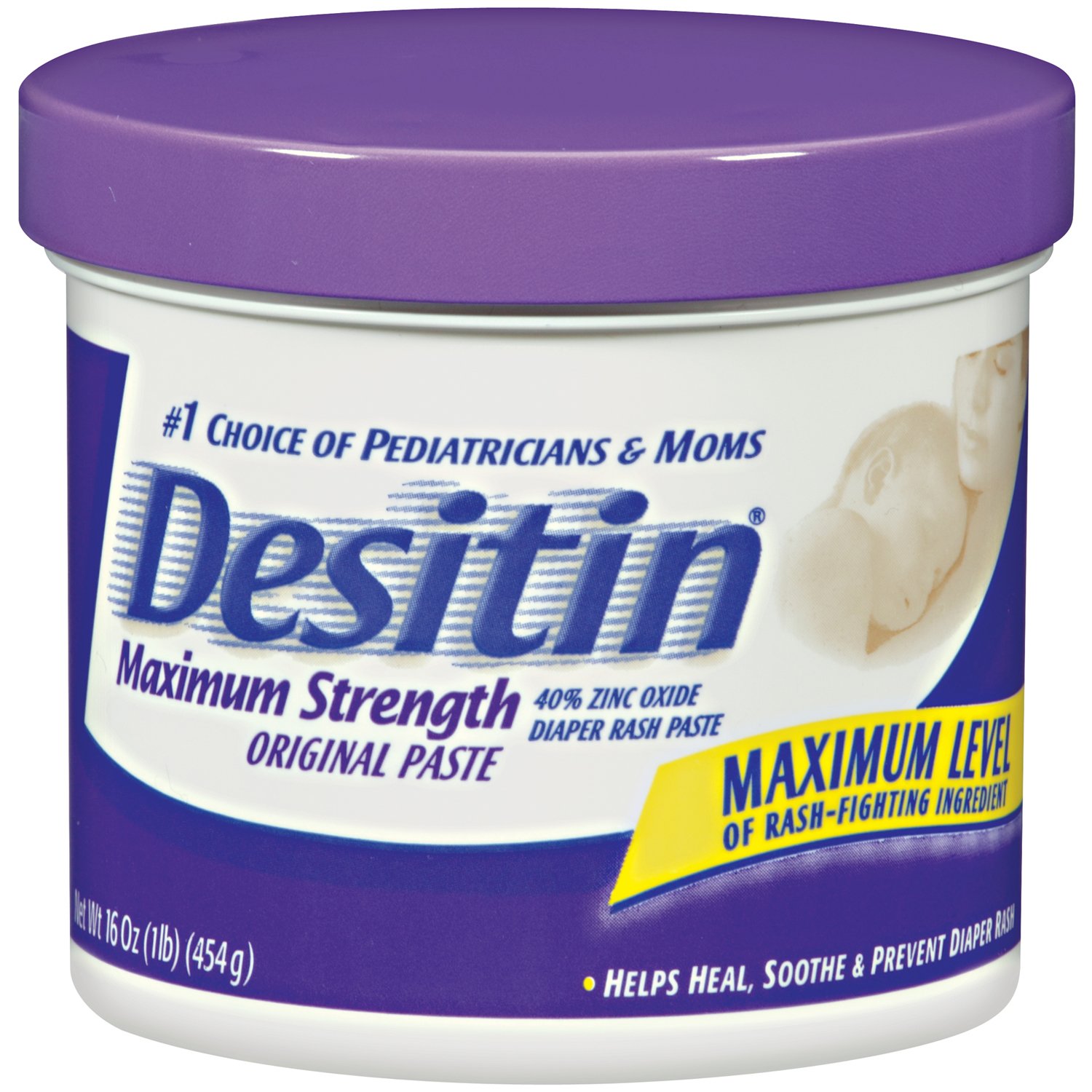
Getting fat and fast is important for the EC but no swim is complete without adding a nice buffer to stave off chafing.  I read a ton about what to use and finally came up with the solution.  Butt paint!  Kathy and I used to call this stuff butt paint because we used it all the time on our son when he was in diapers.  Now, I use it for swimming or at least will when I start my open-water sessions.  Here it is...butt paint:


I plan to smear this stuff all over me before the swim and try to keep it off my goggles.  Wish me luck on that last part.

The LOST swimmers


A couple weeks ago - perhaps now many weeks - I was searching for a place to swim a long distance in the open water.  I knew I needed to complete my qualifying swim, I just didn't know where.  My criteria were simple.  First, I wanted to swim in a body of water that was cold because the rules stipulate that I must complete my qualifying swim in 61 degree F or colder water.  Second, that body of water had to be free of real objective dangers such as hungry sharks, boat traffic, and drunk people fishing or jet skiing.  The latter of those three probably represent the greatest threat to any open-water swimmer.  Third, I needed the body of water to be relatively close to my VA home.  We all traveled a fair bit this year and with our upcoming trips, we wanted to be able to drive and keep the hassles to a minimum.  Finally, I didn't care if the water were salt or fresh water although I preferred salt water just so I could practice a bit more in an environment similar to the EC. 

These four criteria set me up for a long search up and down the eastern shores of the US.  Obviously, the ocean would be ideal but probably not easily accessible without violating one of my stipulations above.  I found the only cold waters of the North Atlantic within an easy drive were probably a bit too busy for a 6-hour swim.  One website - swimmingholes.org - provided a good start where I could search all around the US to find a suitable body of water.  Narragansett Bay seemed to fit all my needs but the weather and the water temperature didn't seem to be terribly predictable - at least not from the data I found on the internet.  Next, I started looking at lakes.  

Yes!  Lakes should be a good alternative because many nearby (+/- 8 hour drive) were really cold and supported open-water swimming.  First, I looked at Seneca Lake.  That lake seemed like a perfect fit.  The water would be cold - perhaps not cold enough in some spots and really cold in others.  I thought I found my match.  Then, after a little more searching, I figured it might be best to find a lake where open-water swimmers already practice.  That search lead me to the LOST page.  I immediately contacted the president (Rob Kent) and manager (Miguel Vadillo) via email.  They both responded within minutes of sending out the message.  I was extremely relieved to hear that they were enthusiastic about my training and supportive for my qualifying swim.  They knew a fair bit about the EC and the requirements to qualify; I knew I found a great match.  So, I am off to swim with them this coming weekend.  Kathy and Patrick will kayak (I presume) alongside me while I swim, eat, and enjoy the cold waters of Lake Ontario.  

The LOST group starts their swims on Saturday mornings from Oakville, Ontario.  We plan to drive up on Friday and spend the evening in Oakville so we can get a little bit more sleep than if we stayed with family in Buffalo.  After the swim, we will drive down to Buffalo where I will warm up, drink a ton of beer with my brother-in-law (named Pat too - how could he be a bad guy, eh?), and eat enough Buffalo wings to support a mid-sized Irish village.  

Wish us luck.  OK, off for my daily Sunday double.  8km today, 8km tomorrow, and then I get to taper off a little to rest up for the big day.  Expect more on my complete training shortly but no graphs or anything like that for this training adventure.  I do have a ton of stories to tell.  Stay tuned.

Thanks for following.